Table of content Table of content
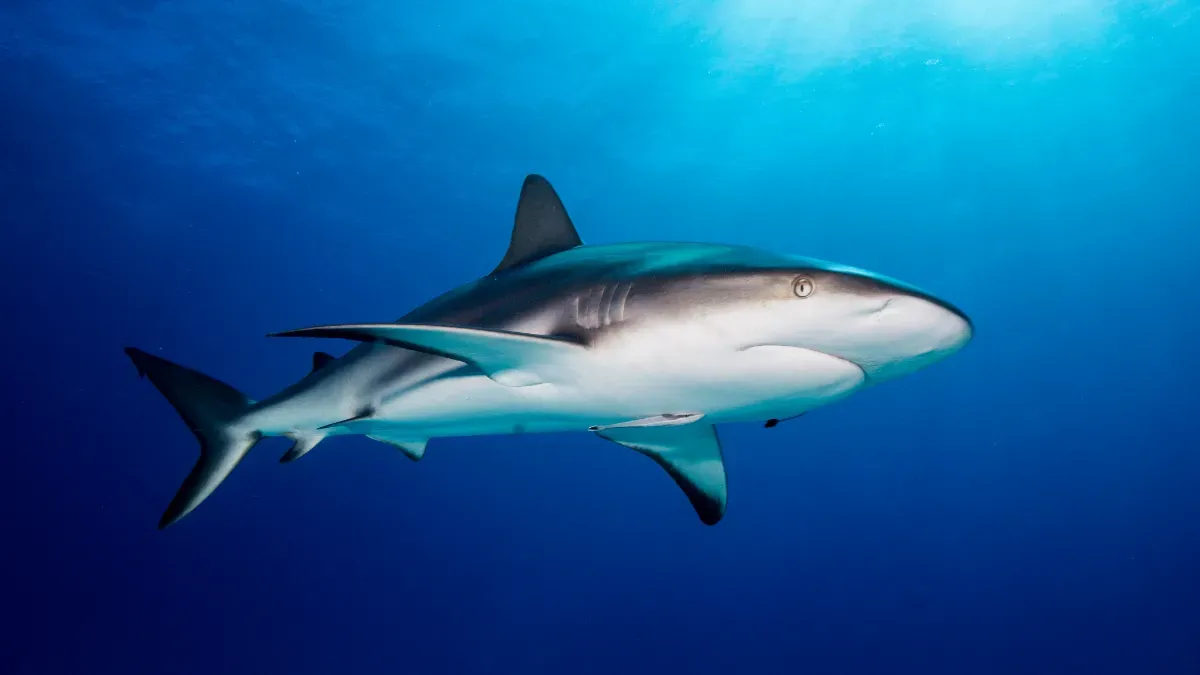
As summer 2026 approaches and holidaymakers head for France’s sunny coasts, a familiar question pops up: are shark encounters something to worry about ? Movies and myths have shaped our view of sharks, but the data gives a clearer picture. Over 40 shark species live in French marine territories, in both the Atlantic Ocean and the Mediterranean Sea. Most of these species prefer deeper water and tend to stay well away from popular swimming spots; sightings from the shore are rare.
What Sharks Actually Live in French Waters
Among the many species found in French waters are the small émíssole, the blue shark, the mole shark, and the impressive basking shark, which can grow past 10 meters in length. These sharks generally avoid people, so beachgoers are unlikely to run into them. Marine biologist Johann Mourier points out that big species like the basking shark and the thresher shark are harmless despite their size.
A noteworthy, though rare, sighting was a great white shark spotted in May 2026 between Tunisia and Sicily in the Mediterranean Sea, showing that this species is still present, if less common. The great white, along with the tiger shark and bull shark, are considered dangerous. Still, confirmed sightings of dangerous sharks in French waters, especially near popular beaches, remain exceptional.
How Big Is the Risk of a Shark Attack?
Worldwide, shark attacks on people are uncommon. The Global Shark Attack File tracks these events and records only a few dozen unprovoked shark-human interactions each year, mostly in Australia, the United States, and South Africa. For metropolitan France, the odds of a shark attack are extremely low, comparable to winning the lottery grand prize, according to the International Shark Attack File (ISAF).
Part of the fear comes from social media, where amateur drone and smartphone footage of dorsal fins spreads quickly and can cause panic on the beach. In response, local authorities often take a cautious approach, closing beaches and flying red flags when large marine life is spotted. Lifeguards stay alert and are ready to put safety measures in place quickly.
Why Sharks Matter to the Ocean
Sharks are apex predators that help keep marine ecosystems balanced. Scientists say climate change may alter shark distribution; warmer oceans could shift migration patterns, but there’s no solid evidence this will lead to more encounters on French beaches.
Sharks also face severe threats from human activity. Overfishing and habitat damage tied to plastic pollution put these animals at risk. An estimated 100 million sharks are killed every year by human actions, which creates a pressing conservation concern.
Overall, swimming offshore can feel adventurous, but shark encounters are neither as common nor as dangerous as often portrayed. Knowing how sharks fit into the marine landscape and staying alert allows beachgoers to enjoy time by the sea with less worry.