Table of content Table of content
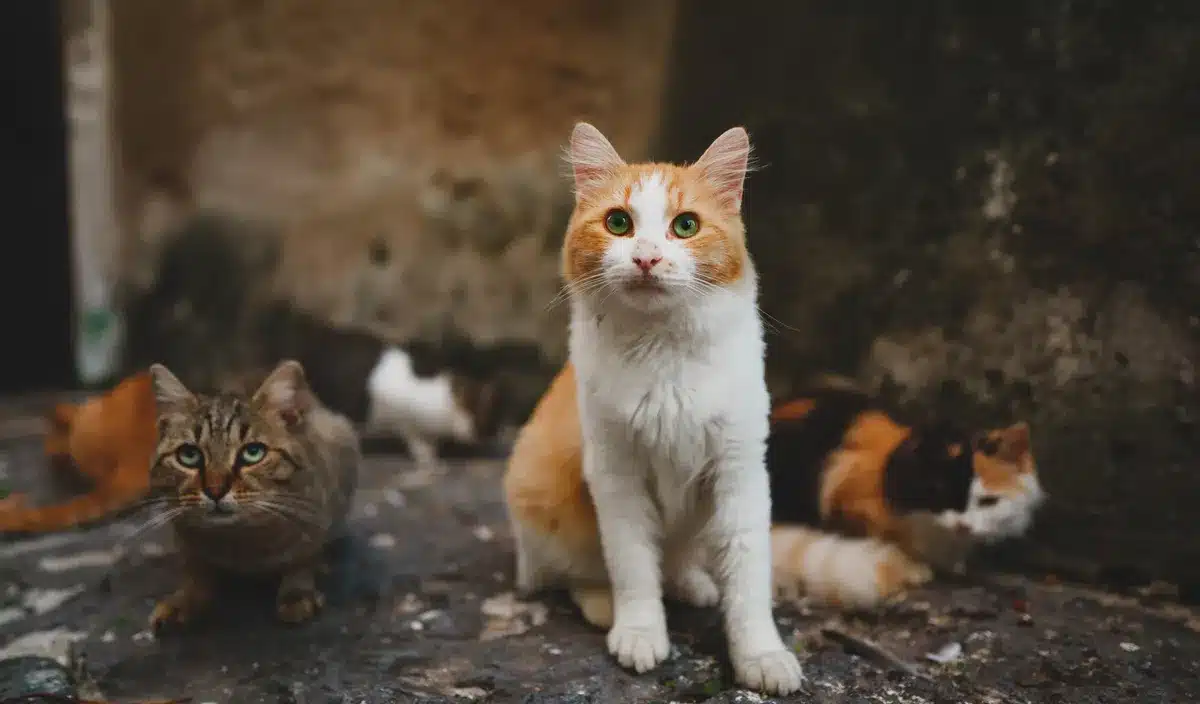
In 1949, staff at a meteorological station on Marion Island, a remote sub-Antarctic territory about 1,429 miles south of the African continent, brought five domestic cats to the island to try to control a growing mouse problem, tell La Nacion. But 77 years later, that decision has produced a complex ecological disaster that requires a multimillion-dollar response.
When the Cats Got Out of Hand
Introducing five cats into an ecosystem that had evolved for millennia without land predators changed the island’s ecology. With no natural enemies to limit them, the cat population grew to more than 2,000 individuals by the 1970s.
The cats also preyed on ground-nesting seabirds such as petrels and wandering albatross. By the 1970s, cats were estimated to be killing about 450,000 birds each year, sharply reducing bird populations. That led to an eradication program that began in 1977.
The program used heavy trapping, night hunting, and the release of the feline panleukopenia virus as a biological control. The last cat was removed in 1991. Removing the cats exposed a new problem: without a major predator, the mice multiplied.
The Mouse Plague and What’s Being Done
Freed from cat predation, the mice grew unchecked. These rodents, brought to the island by whalers in the 19th century, began attacking nests, eggs, chicks, and even adult birds of several species. As a result, 19 of the 29 seabird species that nest on the island are now at risk of local extinction.
The Mouse-Free Marion Project was launched in response. It is a partnership between the Department of Forestry, Fisheries and Environment of South Africa and BirdLife South Africa. Project partners describe it as the largest rodent-eradication operation ever attempted on a single island, covering about 74,131 acres.
The plan uses GPS-guided helicopters to spread bait laced with formulated poison during the austral winter. A pre-deployment trial is scheduled for April and May 2027.
Money and Logistical Hurdles
The operation is expensive. Estimated costs are about $25 million. Funding comes from the South African government and international foundations.
Project leaders say the operation must be meticulous: even a small proportion of surviving rodents could allow the population to rebound, so implementation and monitoring need to minimize errors.
The situation on Marion Island shows how a single human intervention can have long-term ecological consequences. Introducing five cats in 1949 appeared to be a manageable response to a mouse problem; over decades it led to prolonged ecological damage and a complex cleanup.
Eradicating rodents on Marion Island is a corrective action and a test of environmental management. Stakeholders and conservationists must address the island’s history tied to the 1949 decision. The stated goal is to restore and protect Marion Island’s ecosystem for future generations.