Table of content Table of content
The global smartphone market is in an unusual slump: the second quarter of 2026 was one of the weakest quarters since 2013. Analysts had warned of a tough year, but the slowdown arrived sooner than expected and has the industry on edge.
Sales Drop and What Analysts Say
From April to June 2026, smartphone shipments fell by 11%, the lowest level since 2013, according to Counterpoint Research. Looking ahead, analysts forecast a 14% drop for the full year.
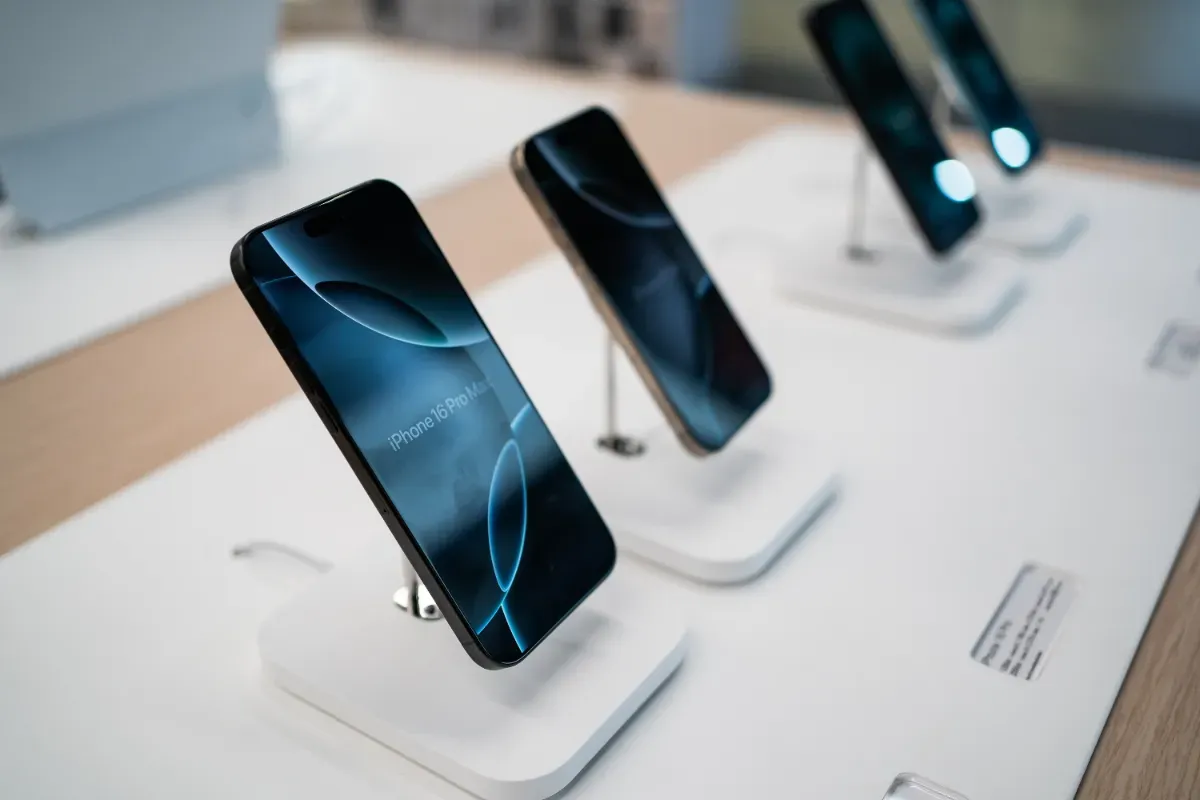
Despite the overall downturn, Apple saw shipments rise by 3% year over year and held a 20% global market share, the highest for any company in Q2, without raising prices. Samsung reclaimed the top spot with 24% of the market, aided by tight supply-chain management and well-timed summer promotions, mainly in India and the Middle East.
Memory Chip Shortages Are Driving Costs Up
A major factor in the slump is a shortage of memory chips, especially DRAM and NAND, driven by surging demand from the artificial intelligence sector. Memory suppliers have prioritized expanding AI data centers, tightening supply for phones and pushing component prices higher. Those increased costs are being passed on to buyers and influencing purchase decisions.
Adding to the pressure, ongoing conflicts in the Middle East have raised oil prices and transportation costs. Analysts expect the memory shortage to last until 2027.
Who’s Feeling It Most
The mid-range segment has taken the biggest hit: price-sensitive buyers are delaying purchases or keeping older phones as costs rise. The high-end segment has held up better, sustaining demand for premium models.
Samsung generated interest with its Galaxy S26 series, especially the flagship Galaxy S26 Ultra, which critics praised for its AI features and privacy-friendly display. Apple’s iPhone 17 series remains popular worldwide, though it faltered in China when discounts were reduced during the “618 Shopping Festival”.
- Xiaomi came in third with a 12% market share, helped by a simplified product lineup.
- Oppo and Vivo, with 11% and 8% respectively, struggled amid weak demand and supply bottlenecks.
- Outside the top five, Google posted 16% year-over-year growth, largely thanks to the Pixel 10 series, while Huawei recorded a 6% increase driven by its Mate 80 range, notable results given the broader downturn.
The industry is still dealing with memory allocations that favor AI infrastructure over smartphones. Some manufacturers have passed higher component costs on to customers. Samsung’s supply-chain execution and targeted promotions helped it avoid major price increases, while Apple largely kept retail prices steady to counter softer demand, an approach that was less effective in China.