Table of content Table of content
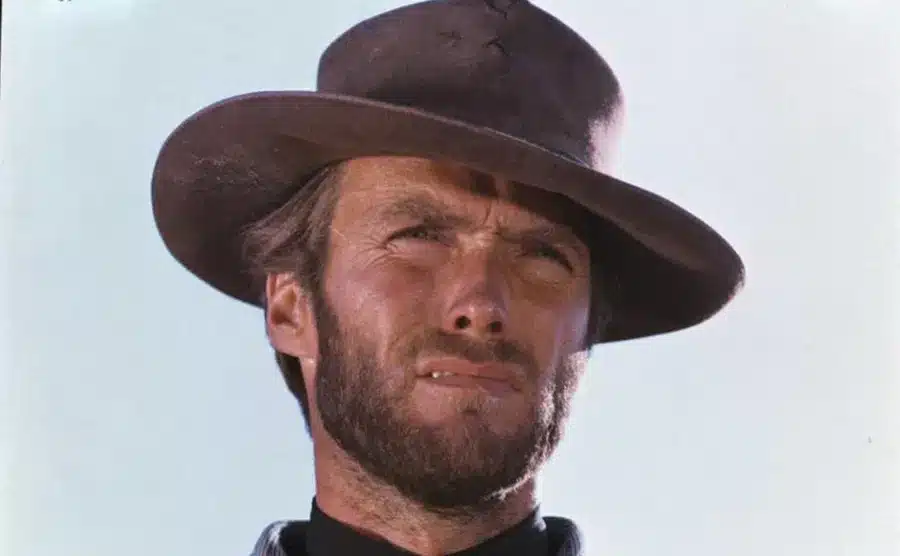
As the defining face of the spaghetti western, a genre that shaped Hollywood’s global reputation throughout the 1950s and 60s, Eastwood cemented his place in film history through his effortlessly cool performances in Sergio Leone’s iconic Dollar Trilogy: A Fistful of Dollars, For a Few Dollars More, and The Good, the Bad and the Ugly. Three films that redefined the western and played no small part in making Hollywood the cultural powerhouse it is today. And yet, despite his country’s enormous influence across so many fields, Clint Eastwood has long held that America has precious little to call its own artistically.
Clint Eastwood doesn’t mince his words about America
If there is one actor who embodied the spirit of the spaghetti western more completely than anyone else, it’s Clint Eastwood. After an uncertain start to his career, he made his way to Europe in the 1960s to collaborate with Italian director Sergio Leone, and what followed was cinematic history. The Dollar Trilogy: A Fistful of Dollars (1964), For a Few Dollars More (1965), and The Good, the Bad and the Ugly (1966) didn’t just launch Clint Eastwood into the stratosphere; they redefined what the western could be.
From there, he built one of Hollywood’s most remarkable careers, starring in and directing a long string of westerns, among them High Plains Drifter (1973), Pale Rider (1985), and Unforgiven (1992), the latter earning him the Academy Award for Best Director and sealing his legacy as one of the genre’s all-time greats.
Clint Eastwood has spoken at length about his deep personal connection to the western, and about what the genre represents in the broader context of American culture. “I feel very close to the western,” he has said. “There are not too many American art forms that are original. Most are derived from European art forms. Other than the western and jazz or blues, that’s all that’s really original.” Elsewhere, he put it even more bluntly: “Americans don’t have any original art except Western movies and jazz.”
An “American originality” that captivated Europe
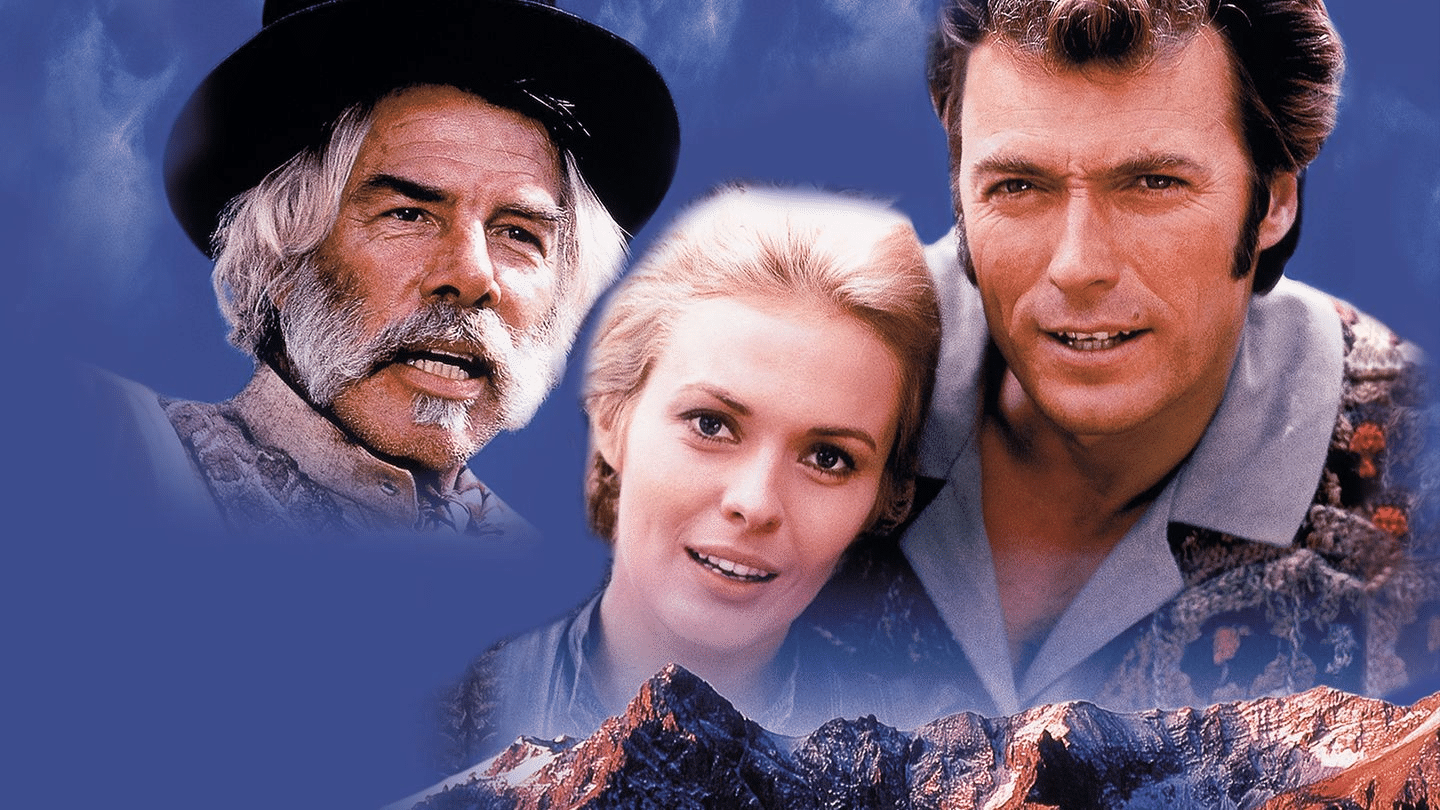
As the great figures of classical Hollywood began to fade, the western, one of the very few things Clint Eastwood considered genuinely original about American culture, found an unexpected second life across the Atlantic, with the rise of the spaghetti western. Actors like Franco Nero took on iconic roles in films such as Django, while the beloved duo of Terence Hill and Bud Spencer brought a lighter, more comedic touch to the genre with films like They Call Me Trinity.
But it was Eastwood’s magnetic screen presence and sheer talent that ultimately cemented the spaghetti western as a cornerstone of cinema on both sides of the Atlantic, helping to propel the New Hollywood movement to new heights and leaving a lasting imprint on the collective imagination. For all the artistic originality he feels his country lacks, it is arguably in no small part thanks to Clint Eastwood himself that America made such a profound mark on world culture in the decades that followed.